
Introduction
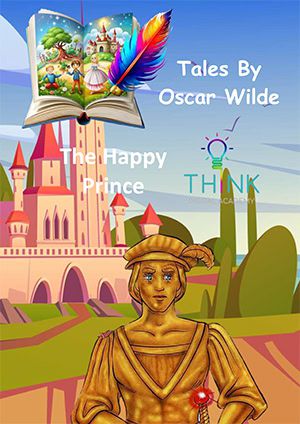
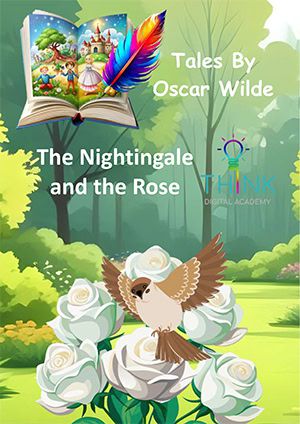
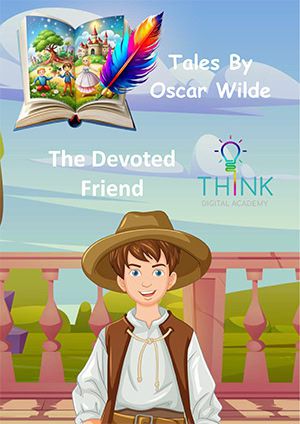
Oscar Wilde is remembered for his dazzling wit, but his fairy tales reveal something rarer: a writer of profound tenderness. This series in the Think Digital Academy Reading Room gathers three of his most moving stories — The Happy Prince, The Nightingale and the Rose and The Devoted Friend — each a free story PDF in English and Afrikaans.
These are fairy tales in form but far more in substance. A golden statue gives away everything he has; a nightingale trades her life for a single red rose; a "devoted friend" shows how fine words can disguise selfishness. Simple enough for a young listener to follow, layered enough for a teenager to analyse, they explore love, sacrifice and generosity with an honesty that stays with readers for life.
For families searching for free children's stories PDF downloads with real literary weight, Wilde's tales are hard to better — reading for pleasure at its most rewarding. Fair warning: The Happy Prince has been known to demand a tissue.
Why Literary Fairy Tales Improve Reading
Wilde's tales occupy a sweet spot in reading development: the familiar shape of a fairy tale carrying genuinely literary language and ideas. His lush, precise vocabulary — gilded, sapphire, rapture — stretches word knowledge in memorable contexts, while his elegant rhythms model beautiful prose. Crucially, the stories run on irony: spotting the gap between what characters say and what the story shows is high-level inference, made accessible even to younger readers. Their emotional force builds empathy, and their bittersweet endings invite discussion rather than closing it down — short enough to finish in one sitting, rich enough to reread.
Recommended Age
These tales suit readers aged roughly 9 to 15 — Grades 4–9 on the South African CAPS curriculum, or Stages 4–8 on the British International curriculum. Younger children can enjoy them as read-alouds, while older students will find plenty of irony and symbolism to analyse.
Curriculum Alignment
On the CAPS curriculum, Wilde's tales support Home Language and First Additional Language reading outcomes for Grades 4–9: responding to short stories, identifying theme, character and message, and reading for enjoyment, with natural links to Life Skills and Life Orientation discussions about friendship and compassion. The parallel Afrikaans PDFs provide meaningful Afrikaans reading practice. On the British International curriculum, the stories suit English objectives across Stages 4–8: discussing themes and conventions, drawing inferences about characters' motives and appreciating a rich literary heritage. Their compact length makes them ideal whole-class texts for comprehension and discussion.
Reading Skills Developed
- Inference and irony: seeing past what characters claim to what the story really shows.
- Rich vocabulary: Wilde's jewelled, precise language expands descriptive and literary word banks.
- Theme identification: love, sacrifice and selfishness emerge clearly enough to name and debate.
- Empathy: generous, suffering characters give readers powerful practice in feeling with others.
- Symbol interpretation: statues, roses and winter landscapes introduce symbolism in accessible form.
- Personal response: bittersweet endings prompt readers to form and defend their own views.