
Introduction
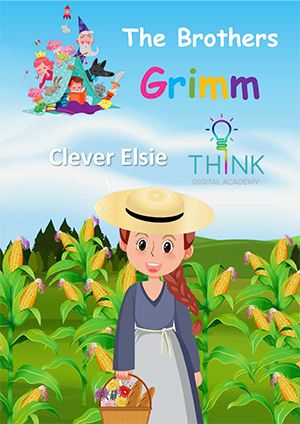
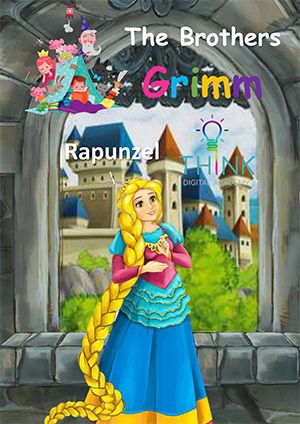
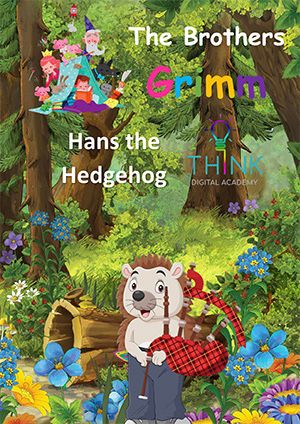
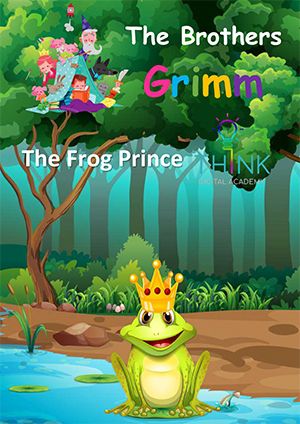
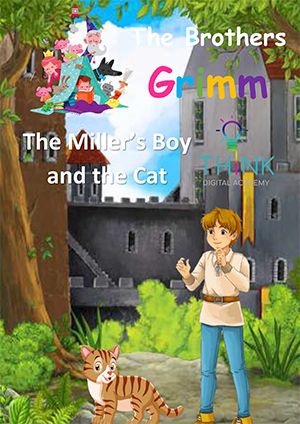
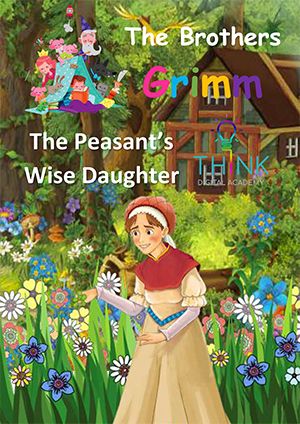
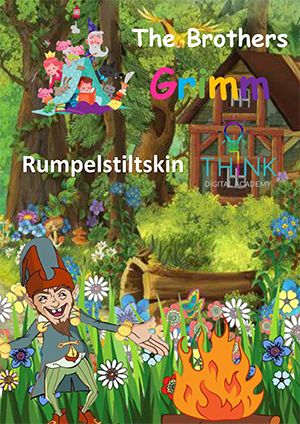
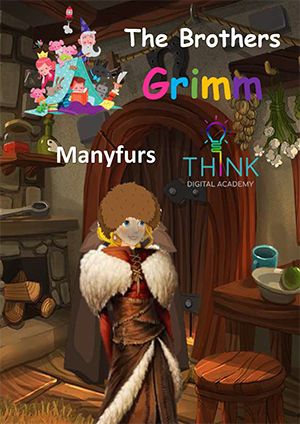
Two centuries ago, Jacob and Wilhelm Grimm set out to collect the folk tales of the German-speaking lands — and gave the world some of its most enduring stories. Strange, creepy, romantic and full of twisty things, the fairy tales of the Brothers Grimm are famously not for the faint-hearted, and that is precisely their magic. Our collection gathers eight tales, from the beloved Rapunzel, Rumpelstiltskin and The Frog Prince to lesser-known gems such as Hans the Hedgehog, Clever Elsie and Manyfurs.
Beneath the enchanted towers and talking frogs, these classic fairy tales impart lasting lessons about loyalty, resourcefulness and gratitude — and a child who knows them will recognise their echoes in books and films for the rest of their reading life.
Ideal for primary school readers, as slightly-spooky bedtime read-alouds or independent reading for pleasure. Every tale is a free children's stories PDF download in both English and Afrikaans. Step into the Grimms' forest — if you dare.
Why Fairy Tales Improve Reading
Fairy tales are among the most powerful texts for developing young readers. Their strong, predictable structures — a task, a trial, a transformation, a just reward — teach children how stories work, building the narrative awareness behind all later comprehension. Traditional language such as "spindle" and "kingdom" stretches vocabulary, while characters who rarely explain themselves make readers infer motives constantly: can the frog be trusted? The Grimms' darker edges offer a safe space to explore fear and consequence, and discussing each tale's moral builds early skill in identifying theme.
Recommended Age
This collection suits children aged 7 to 11 — Grades 1–6 on the South African CAPS curriculum, or Stages 1–6 on the British International curriculum. Sensitive younger listeners may prefer the tales shared with a grown-up, while confident readers will relish the shivers on their own.
Curriculum Alignment
On the CAPS curriculum, fairy tales and folk tales are an explicit part of Home Language and First Additional Language reading in Grades R–6: listening to and reading traditional stories, retelling them, discussing characters and lessons, and reading for enjoyment. The dual-language PDFs support Afrikaans practice with familiar, motivating stories, and the tales' moral core connects with Life Skills discussions of values. On the British International curriculum, the series maps to English objectives across Stages 1–6: becoming familiar with traditional tales, spotting recurring story language, making inferences and discussing themes.
Reading Skills Developed
- Narrative structure: the classic shape of task, trial and reward shows how stories are built.
- Traditional vocabulary: words from millers, spindles and kingdoms enrich children's word banks.
- Inference: mysterious strangers and enchanted creatures require readers to work out motives.
- Prediction: genre conventions let children forecast outcomes, then enjoy the twists.
- Theme and moral identification: each tale invites readers to articulate its lesson.
- Retelling: memorable plots and refrains make these ideal tales to retell aloud.