
Introduction
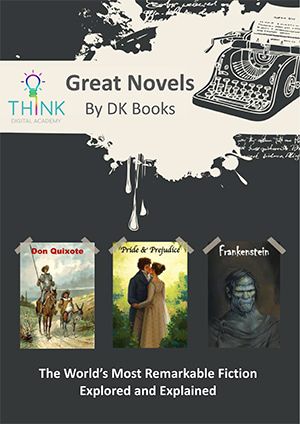
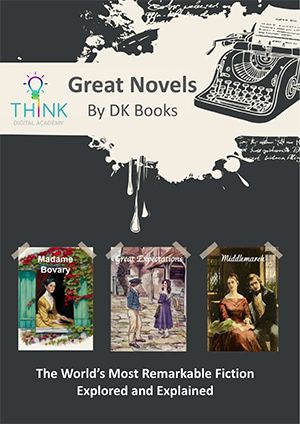
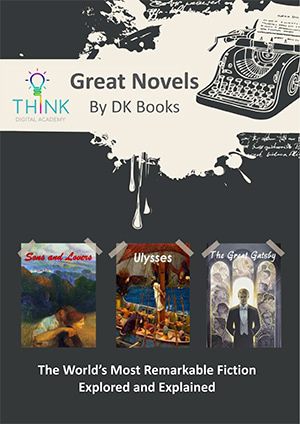
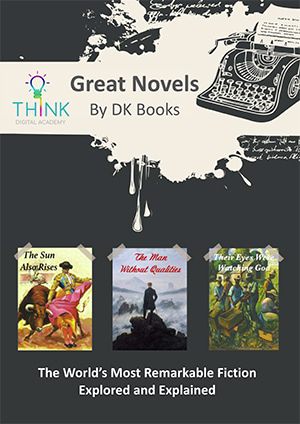
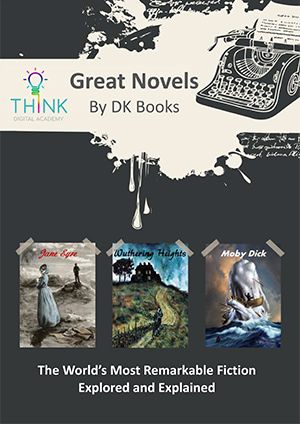
Some books change the readers who meet them — and a few change literature itself. The Great Novels series invites older students to explore the finest classic novels from around the world, from Cervantes' Don Quixote and the wit of Jane Austen to the storm-swept moors of the Brontës, the great Russian and French realists, and twentieth-century masterpieces by Joyce, Fitzgerald, Hemingway and Zora Neale Hurston.
Rather than simply listing classics, each entry looks at what inspired the writers, what they set out to achieve, and how they crafted their masterpieces. Students meet the person behind the book — Mary Shelley conjuring Frankenstein, Melville wrestling with his whale — turning intimidating "set works" into human stories worth caring about.
The series is aimed at high school readers, and every title comes with a free downloadable PDF in both English and Afrikaans. Because reading for pleasure should not stop when the books get longer, Great Novels offers the context that makes classic literature click.
Why Classic Novels Improve Reading
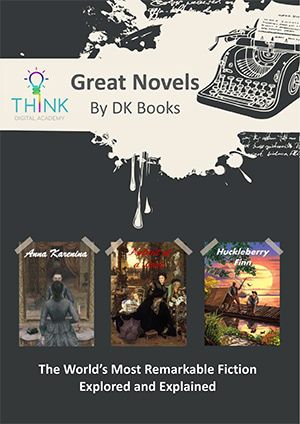
Classic novels are the gym of the reading world: nothing builds literary muscle faster. Their length develops genuine reading stamina, and their rich, sometimes archaic vocabulary stretches word knowledge far beyond the everyday. Writers like Austen, Eliot and James work through irony and implication, making classics unrivalled training in inference — students must constantly ask what a character really means and what the author really thinks. The moral dilemmas of Anna Karenina or Huckleberry Finn build empathy and ethical reasoning — precisely the analytical skills senior English examinations reward.
Recommended Age
Designed for high school readers aged 14 to 18 — Grades 8–12 on the South African CAPS curriculum, or Stages 7–8 through to GCSE and AS Level on the British International curriculum. Confident younger readers may enjoy the more accessible titles.
Curriculum Alignment
On the CAPS curriculum, the series supports Home Language and First Additional Language study in Grades 8–12, where reading outcomes centre on the novel — plot, character, theme, narrator and style — alongside sustained independent reading. The author background directly supports contextual and critical-analysis skills, while the Afrikaans PDFs offer extended reading practice. On the British International curriculum, the series aligns with English objectives from Lower Secondary (Stages 7–8) through GCSE and AS Level: reading a wide range of classic fiction, understanding how context shapes texts, and developing informed personal responses to whole novels.
Reading Skills Developed
- Reading stamina: full-length classics train sustained attention across long, layered narratives.
- Advanced vocabulary: nineteenth- and twentieth-century prose extends academic and literary word power.
- Inference and irony: Austen and James demand readers detect meaning beneath the surface.
- Contextual analysis: knowing what inspired each writer connects novels with their historical moment.
- Character and theme analysis: figures like Jane Eyre and Gatsby develop essay-ready thinking.
- Awareness of style and form: comparing realism, Gothic fiction and modernism shows how novels are made.