
Introduction
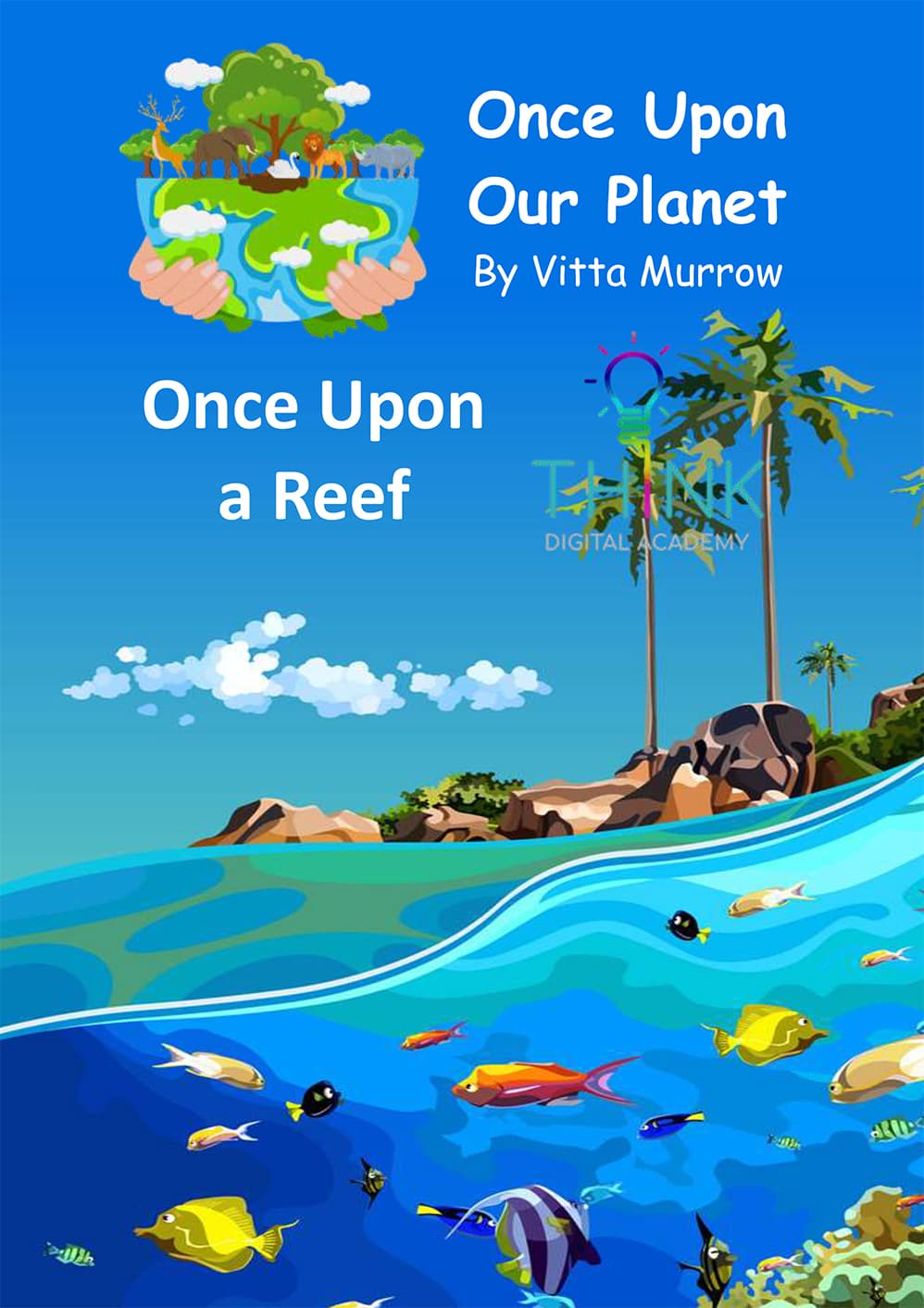
From the frozen reaches beyond the North Wind to sun-drenched savannahs and shimmering coral reefs, Once Upon Our Planet whisks young readers away to the last true wildernesses on Earth. This vibrantly illustrated series of original nature and adventure stories celebrates wild places — mountains, forests, islands, salt lakes and more — and the remarkable creatures and communities that call them home.
These are genuinely gripping tales of courage, friendship and persistence, in which characters must work together to overcome the challenges of the natural world. Along the way, they gently open children's eyes to our finely balanced relationship with Planet Earth — planting the seeds of environmental awareness through story rather than lecture.
The series suits primary school children, read independently or aloud. Every story is available as a free children's stories PDF download in both English and Afrikaans, a lovely resource for bilingual families. For adventure with heart and plenty of reading for pleasure, Once Upon Our Planet is a beautiful place to begin.
Why Nature and Adventure Stories Improve Reading
Nature-based adventure stories stretch young readers in ways few genres can. Rich, unfamiliar settings — a reef, a tundra, a salt lake — introduce precise environmental vocabulary in memorable context. Because the stakes come from the natural world itself, children practise inference constantly, reading weather, terrain and animal behaviour for clues about what happens next. Themes of courage, friendship and persistence give readers choices worth discussing, and the environmental thread encourages children to connect fiction with the real world — a comprehension skill that transfers straight into non-fiction. A dozen linked stories also build real reading stamina.
Recommended Age
Best suited to children aged 7 to 11 — Grades 2–6 on the South African CAPS curriculum, or Stages 2–6 on the British International curriculum. Younger children will enjoy the stories read aloud, while confident readers can explore the world's wild places on their own.
Curriculum Alignment
On the CAPS curriculum, the series supports Home Language and First Additional Language reading outcomes across Grades R–6: responding to stories, discussing character and setting, and reading for enjoyment, with the Afrikaans PDFs offering valuable additional-language practice. Its focus on habitats and ecosystems bridges naturally into Natural Sciences, Geography and Life Skills themes of teamwork and caring for the environment. On the British International curriculum, the stories align with English reading objectives across Stages 1–6 — discussing themes, making predictions and inferences, and widening vocabulary — while complementing science topics on habitats and living things.
Reading Skills Developed
- Environmental vocabulary: each wilderness introduces precise geographical and nature words in context.
- Inference: readers interpret clues in landscape, weather and animal behaviour.
- Theme recognition: recurring ideas of courage and friendship teach readers to spot the message.
- Text-to-world connections: real habitats link fiction with what children know of the planet.
- Reading stamina: linked adventures encourage children to keep going, story after story.
- Bilingual fluency: parallel English and Afrikaans editions support growth in both languages.