
Introduction
Every culture on Earth tells stories, and the best of them travel. Our Stories from Around the World collection gathers twelve traditional tales and folktales from different storytelling traditions — trickster tales, fables and legends — in one place for young readers to explore.
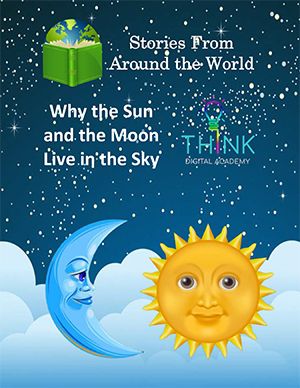
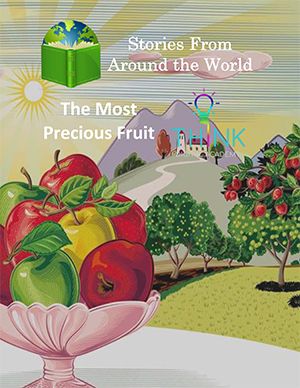
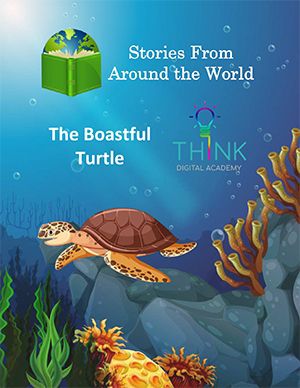
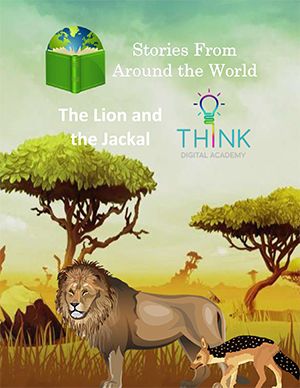
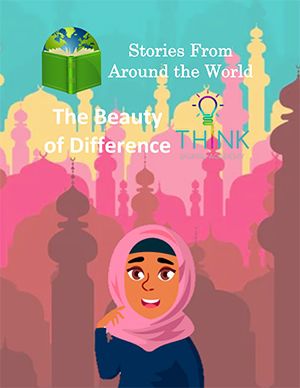
Learners will discover why the sun and the moon live in the sky, meet a boastful turtle and a cunning jackal, puzzle over the most precious fruit and unlock the secret of an enchanted watch. Along the way they absorb the values these tales were made to pass on: courage, friendship, fairness and an appreciation of difference.
Think Digital Academy shares this series because reading for pleasure is one of the strongest predictors of success at school. Every story is available as a free children's stories PDF in both English and Afrikaans, so families can read on screen, print at home or build bilingual reading practice into the week — a storytelling tour of the world, no boarding pass required.
Why Folktales from Different Cultures Improve Reading
Traditional tales are a gift to developing readers. Their clear structures — a problem, a journey, a clever twist, a lesson — make it easier to predict, retell and sequence events, while morals that are shown rather than stated give superb training in inference. Unfamiliar settings, animals and customs stretch vocabulary beyond everyday words, and meeting characters from many cultures builds the empathy and world knowledge that feed comprehension in every subject. Short and complete in one sitting, these tales build reading stamina gently — and reading the same story in English and Afrikaans doubles the practice.
Recommended Age
Best for children aged 6 to 12 — Grades 1–6 on the South African CAPS curriculum, or Stages 1–6 on the British International curriculum. Younger children will enjoy the tales as read-alouds, while older readers can explore them independently.
Curriculum Alignment
On the CAPS curriculum, this collection supports Home Language and First Additional Language reading in Grades R–6, where learners read, retell and sequence traditional stories, discuss character and moral, and — as CAPS encourages — read for enjoyment. Folktales are a named text type in CAPS reading programmes, and the Afrikaans versions offer genuine additional-language practice. On the British International curriculum, the tales suit Stages 1–6 English, where pupils explore stories from other cultures, draw inferences about characters and develop a lifelong reading habit.
Reading Skills Developed
- Inference: working out the unstated moral of each tale.
- Prediction: familiar folktale patterns invite guessing what happens next.
- Vocabulary growth: new places, animals and customs expand word knowledge.
- Retelling and sequencing: clear beginning–middle–end structures support oral retelling.
- Cultural literacy and empathy: characters from many traditions build background knowledge.
- Bilingual fluency: reading each story in English and Afrikaans strengthens both languages.