
Introduction
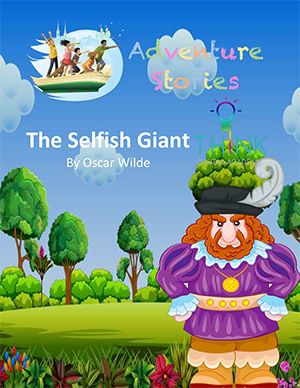
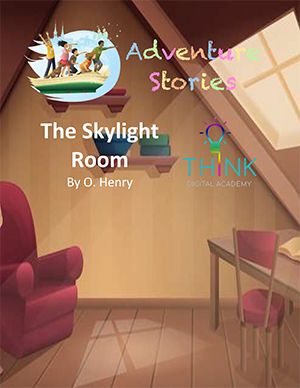
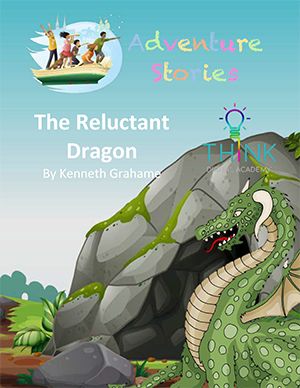
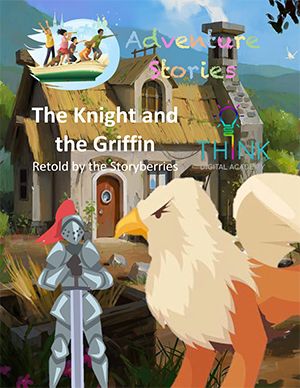
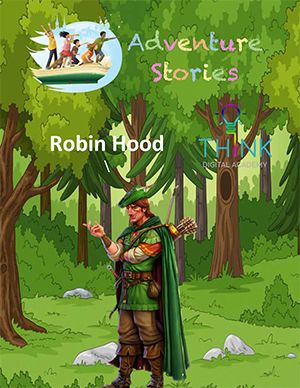
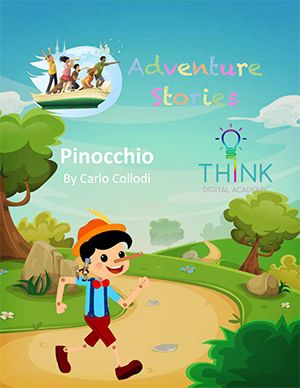
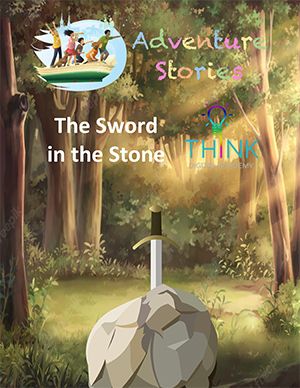
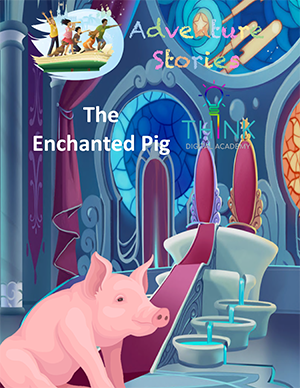
Who can resist a story packed with twists, turns, brave heroes and dastardly villains? Adventure stories can keep even the most easily distracted child glued to the page, and this collection brings together twelve action-packed classics from some of the greatest storytellers who ever lived: the Brothers Grimm, Hans Christian Andersen, Oscar Wilde, Kenneth Grahame, Carlo Collodi, Margery Williams, O. Henry and the timeless legends of Robin Hood and the Sword in the Stone.
We curated these classics because they do double duty: they deliver the page-turning excitement that builds genuine reading for pleasure, and they introduce children to the rich language and enduring themes of literary classics — courage, loyalty, cleverness and kindness.
Every story is available as a free children's stories PDF in both English and Afrikaans, so families can read together, print for offline reading, or use the dual-language versions for Afrikaans practice. From Pinocchio to Sherwood Forest, adventure starts here.
Why Adventure Stories Improve Reading
Adventure fiction is a proven engine of reading growth. Fast pacing and cliff-hangers create intrinsic motivation — children read on because they must know what happens — and that engagement builds fluency and stamina faster than any worksheet. Plot-driven stories give constant practice in sequencing events, tracking cause and effect and predicting outcomes, while heroes facing genuine obstacles invite readers to infer motives and weigh choices. The classics add a further layer: the richer vocabulary of authors like Wilde, Grahame and Collodi stretches readers just beyond everyday language, exactly where word growth happens.
Recommended Age
Best for readers aged about 8 to 13 — Grades 4–7 on the South African CAPS curriculum, or Stages 4–8 on the British International curriculum. Gentler tales like The Velveteen Rabbit also make lovely read-alouds for younger children.
Curriculum Alignment
On the CAPS curriculum, this collection supports English Home Language and First Additional Language reading outcomes for Grades 4–7: reading and responding to stories and folk tales, identifying plot, character, conflict and theme, and cultivating reading for enjoyment, with the Afrikaans PDFs providing motivating First Additional Language practice. Themes of honesty (Pinocchio), generosity (The Selfish Giant) and courage link naturally to Life Skills and Life Orientation. On the British International curriculum, the series supports English objectives across Stages 4–8 — reading myths, legends and literary classics, discussing themes, and inferring characters' feelings and motives.
Reading Skills Developed
- Prediction: twist-filled plots train readers to anticipate events and revise expectations.
- Character analysis: heroes and villains with clear motives build inference about intentions.
- Sequencing: action-packed narratives strengthen retelling events in order.
- Rich vocabulary: classic authors stretch word knowledge beyond everyday speech.
- Theme identification: enduring lessons help readers find a story's deeper meaning.
- Reading stamina: gripping, longer tales build endurance for novels and set works.