
Introduction
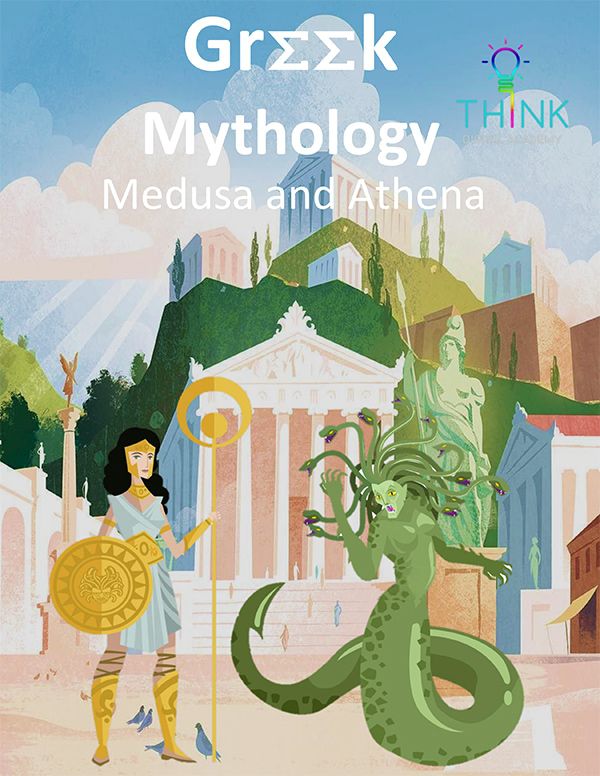
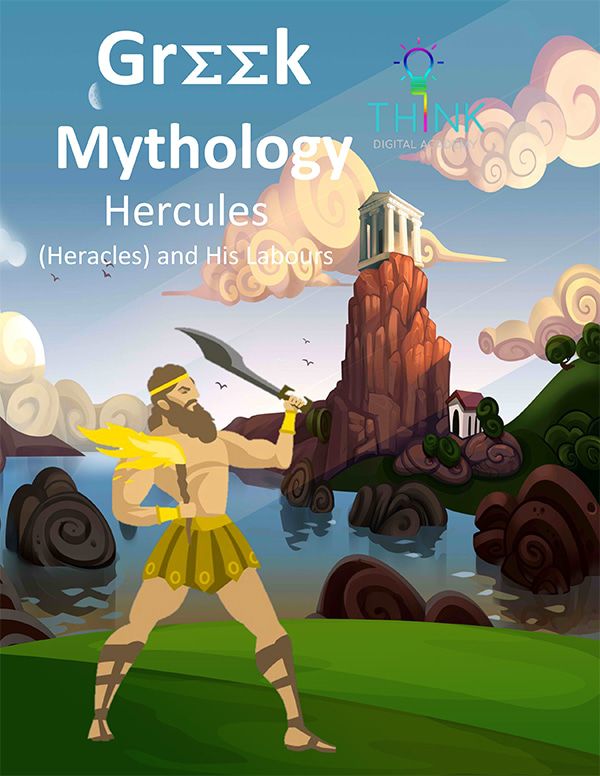
Long before superheroes filled cinema screens, the ancient Greeks were telling stories of gods and monsters, heroes and hubris — myths created to explain the world and teach what is important and meaningful. Our Greek Mythology series brings twelve of the greatest to young readers in accessible, download-and-enjoy form.
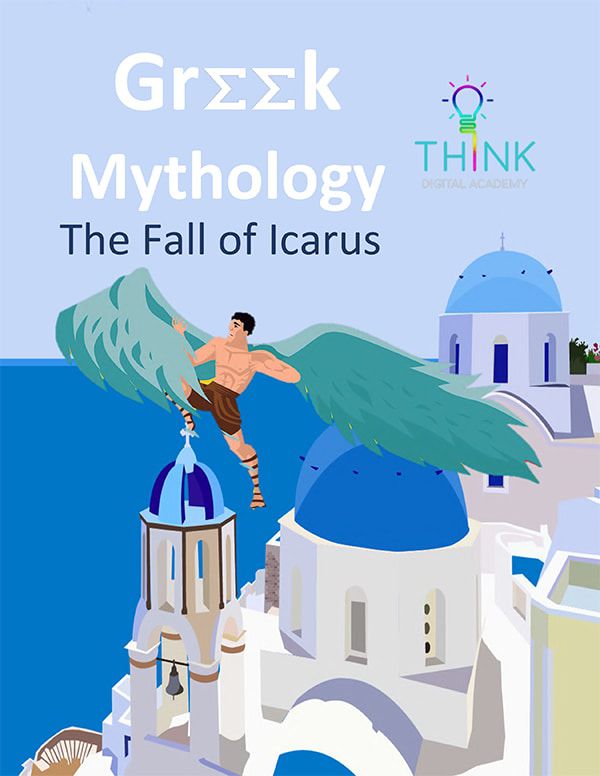
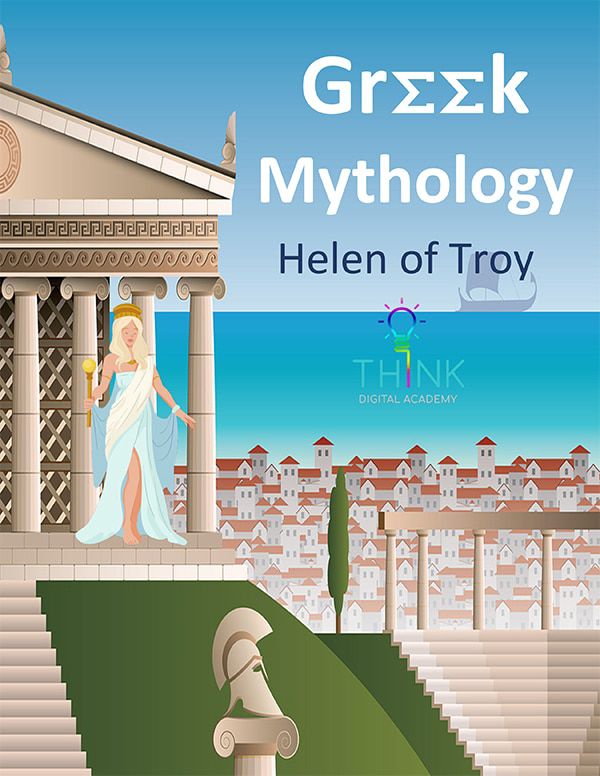
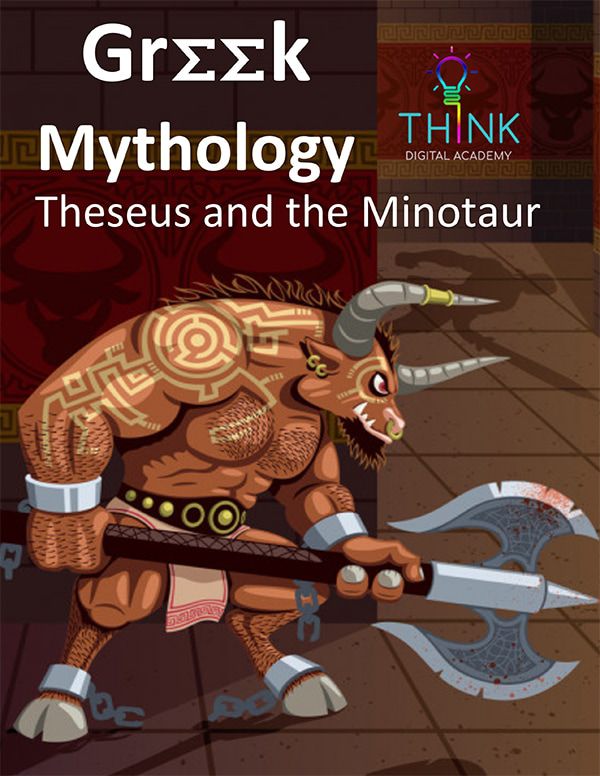
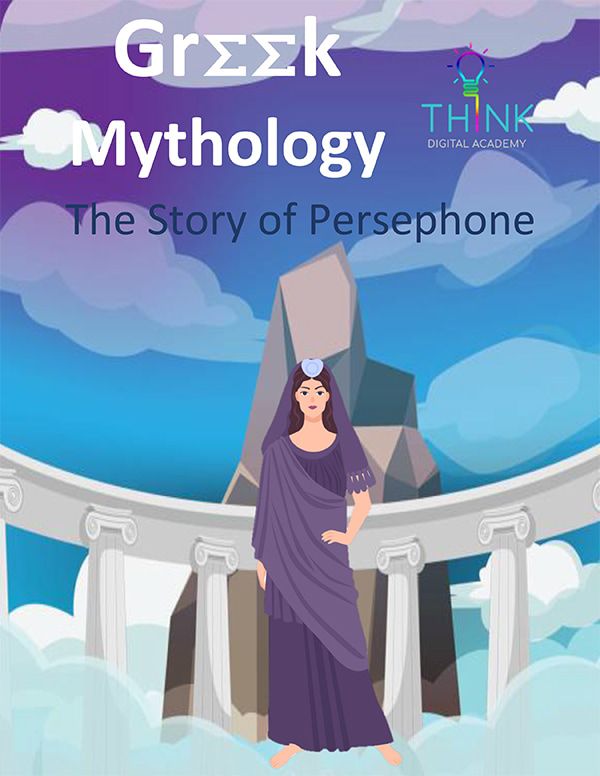
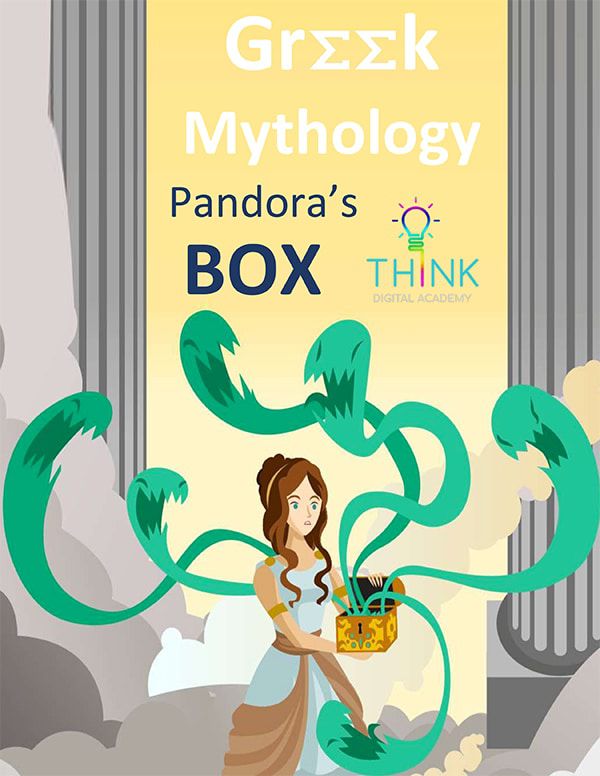
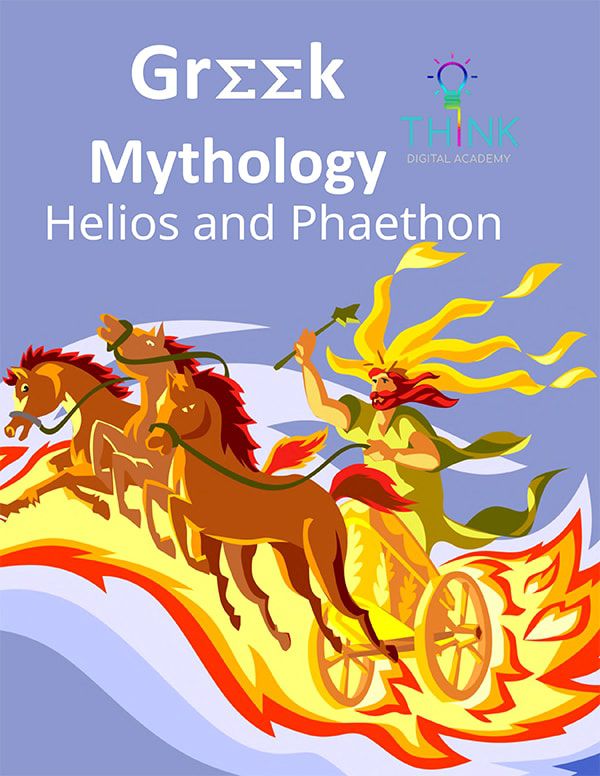
Learners will soar too close to the sun with Icarus, follow the thread into the Minotaur's labyrinth with Theseus, discover why Persephone's story gives us the seasons, and find out what really happened when Pandora opened that box — plus the epic tale of Helen of Troy, told across three thrilling parts.
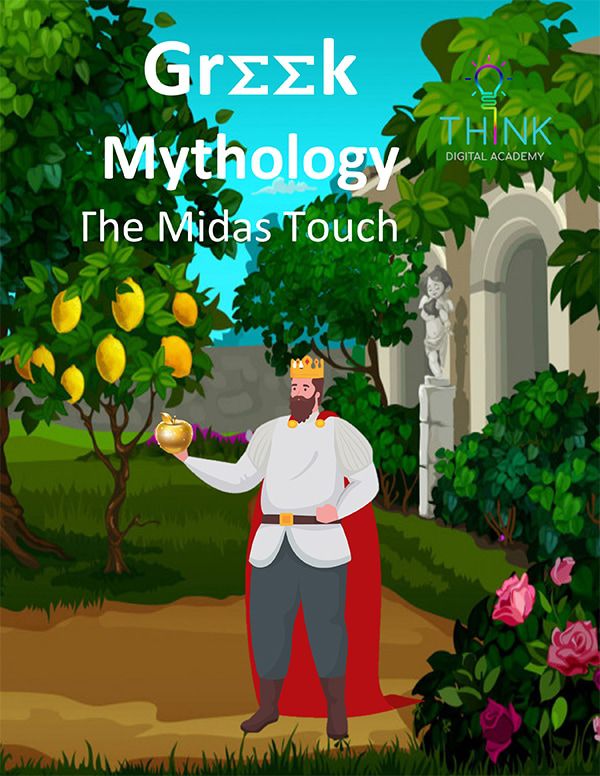
Think Digital Academy shares this series because mythology is a cornerstone of cultural literacy: these stories echo through art, literature and everyday language, from "Achilles heel" to "Midas touch". They are also simply magnificent stories — fast, dramatic and rich with lessons. Every myth is a free children's stories PDF in English and Afrikaans, ideal for reading for pleasure at home, classroom enrichment or bilingual practice.
Why Greek Mythology Stories Improve Reading
Myths are inference machines. Because they were built to teach — about seasons, pride, curiosity — young readers must dig beneath the surface plot to ask what each story really means, exactly the interpretive muscle comprehension tests target. The high drama of gods and monsters keeps reluctant readers gripped, while the three-part Helen of Troy saga trains readers to hold plot threads across instalments — a stepping stone to novels. Mythology delivers exceptional vocabulary too: labyrinth, titan, oracle and dozens of English idioms trace back to these tales, packing rare cultural background knowledge into irresistible stories.
Recommended Age
Best for readers aged 9 to 15 — Grades 4–9 on the South African CAPS curriculum, or Stages 4–8 on the British International curriculum. Younger readers will relish the adventure, while older readers can explore the deeper themes of hubris, fate and consequence.
Curriculum Alignment
On the CAPS curriculum, this series supports Home Language and First Additional Language reading in Grades 4–9, where myths and legends are recognised text types: learners summarise, discuss character and theme, identify the lesson a story teaches and give personal responses — while reading for enjoyment, which CAPS actively encourages. The dual-language PDFs let Afrikaans additional-language learners reread familiar myths in their second language. On the British International curriculum, Greek myths are a staple of Stages 4–6 English and provide valuable background for Stages 7–8 literature, where classical allusions surface constantly.
Reading Skills Developed
- Inference: uncovering what each myth was created to teach.
- Theme and moral identification: pride, greed and curiosity made concrete.
- Classical vocabulary: labyrinth, mortal and oracle enrich academic word banks.
- Cross-text connections: recurring gods and heroes link one myth to another.
- Sustained reading: the three-part Helen of Troy saga builds novel-length stamina.
- Cultural literacy: mythology unlocks allusions across literature, art and science.