
Introduction
No Reading Room would be complete without William Shakespeare. Widely regarded as the greatest writer in the English language, Shakespeare gave us stories so powerful that four centuries later they are still performed, filmed and reinvented every day. This series brings fourteen of his best-loved plays to students as accessible retold stories — the tragedies, comedies and romances every learner should know.
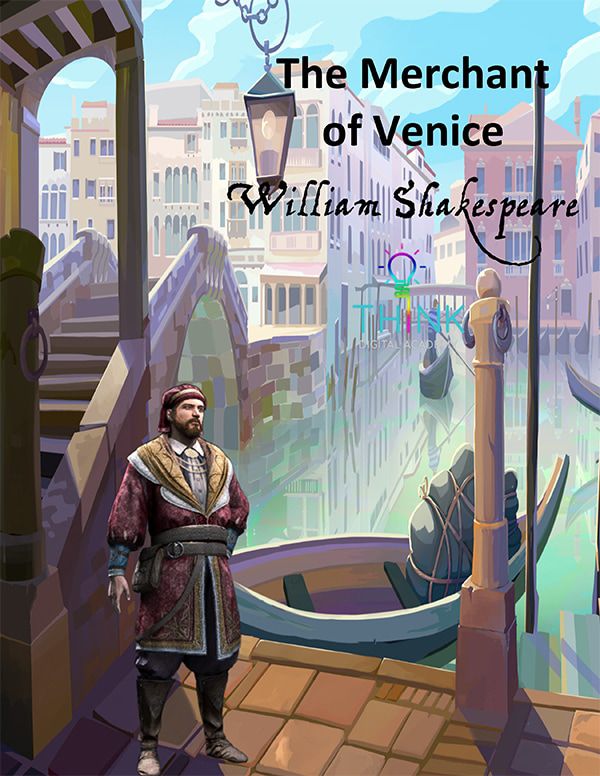
Readers will meet the star-crossed lovers of Romeo and Juliet, the ambitious Macbeths, brooding Hamlet and storm-tossed King Lear, then lose themselves in the enchanted wood of A Midsummer Night's Dream, the confusions of Twelfth Night and the courtroom drama of The Merchant of Venice.
Think Digital Academy shares this collection because knowing the plot and characters before tackling Elizabethan verse turns anxiety into recognition — and often genuine enjoyment. The retellings are ideal preparation for literature study and equally rewarding as pure reading for pleasure. Every story is a free PDF download in English and Afrikaans, flexible for homes and classrooms on both of our curricula.
Why Shakespeare Stories Improve Reading
Reading Shakespeare in story form is a masterclass in advanced comprehension. His plots are engines of inference: readers track deception, disguise, dramatic irony and double motives — exactly the higher-order thinking literature examinations reward. Morally complex characters like Macbeth and Shylock invite analysis rather than easy judgement, developing critical reading and empathy together. These stories also carry an unmatched cultural payload: hundreds of everyday phrases and countless later books and films echo them. Prose retellings build the narrative stamina and background knowledge students need before meeting the original verse, lowering the barrier to set-text success.
Recommended Age
Best for readers aged 12 to 18 — Grades 8–12 on the South African CAPS curriculum, or Stages 7–8 through GCSE and AS Level on the British International curriculum; confident younger readers will enjoy the comedies too.
Curriculum Alignment
On the CAPS curriculum, Shakespeare features prominently as prescribed literature in Grades 10–12 English Home Language and First Additional Language — plays such as Macbeth, Hamlet, Othello and Romeo and Juliet appear regularly as setworks. Reading these story versions first gives learners the plot scaffolding and thematic vocabulary that make studying the full play far more manageable, while the Afrikaans PDFs add additional-language practice. On the British International curriculum, the retellings support Stages 7–8 English and serve as ideal pre-reading and revision for GCSE and AS Level literature.
Reading Skills Developed
- Inference and irony: tracking disguises, secrets and schemes across a plot.
- Character analysis: weighing motive against action in morally complex figures.
- Theme recognition: love, ambition, jealousy and justice recur across the plays.
- Genre awareness: comparing comedies, tragedies and romances.
- Academic vocabulary: soliloquy, tragic flaw and dramatic irony enter naturally.
- Set-text readiness: mastering plot in prose frees students to focus on language.