
Introduction
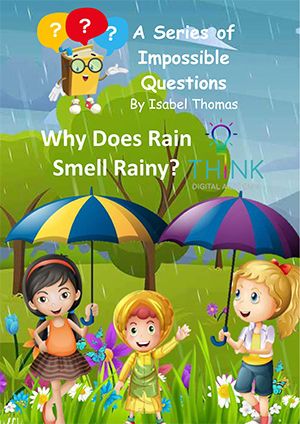
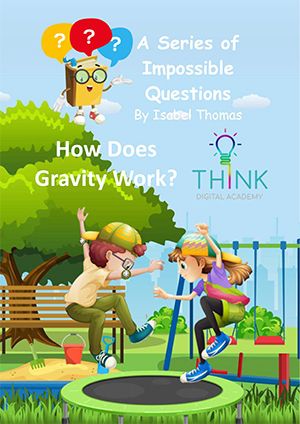
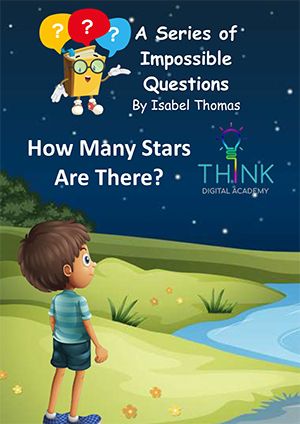
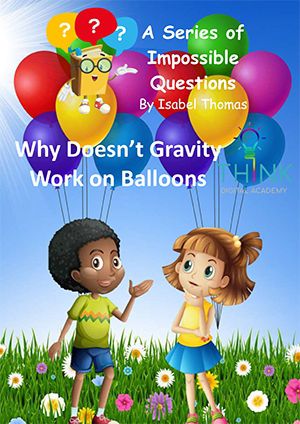
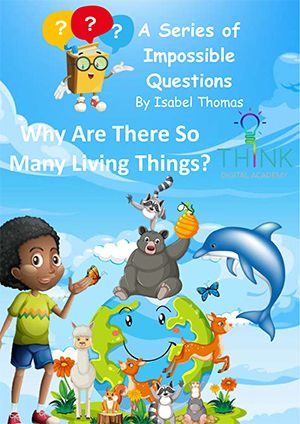
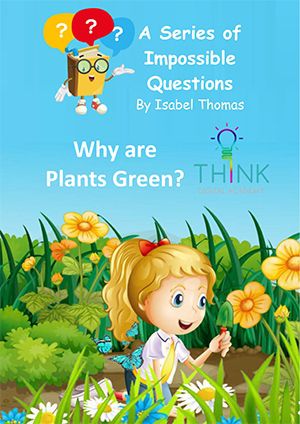
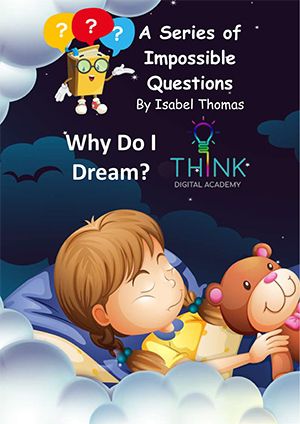
Why does rain smell rainy? How does gravity work — and why doesn't it seem to work on balloons? How many stars are there, really? If you have ever been bamboozled by a child's questions, A Series of Impossible Questions is the collection you have been waiting for. Each title in this delightful science series, associated with acclaimed science writer Isabel Thomas, takes one of the brilliant questions children ask every day and follows it wherever curiosity leads.
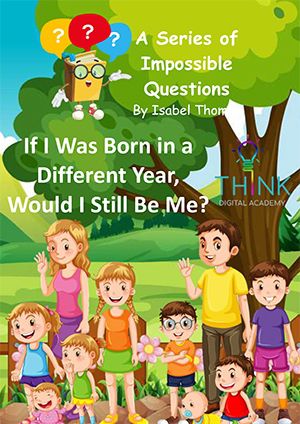
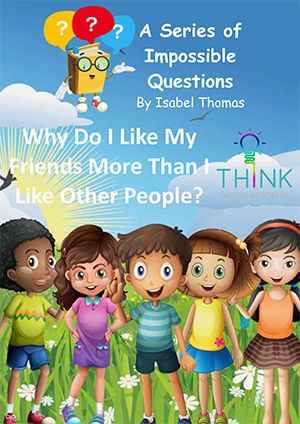
From the physics of gravity to the mystery of dreams, and the wonderfully philosophical "if I were born in a different year, would I still be me?", the series blends accessible science with big-picture thinking — making non-fiction genuinely fun to read.
Pitched at primary school readers, it works beautifully at bedtime, as a family conversation starter, or as independent reading. Every title is a free children's stories PDF download in English and Afrikaans. For reading for pleasure with a generous helping of learning, it is hard to beat.
Why Question-Led Non-Fiction Improves Reading
Question-led non-fiction builds a distinct set of skills. Because each book is organised around finding things out, children practise reading for information: locating answers and following explanations step by step. Scientific topics introduce precise vocabulary — gravity, galaxies, chlorophyll — in meaningful context, where it is far more likely to stick. Crucially, the genre trains children to think while they read: weighing explanations, connecting new facts to what they know, and generating follow-up questions of their own. The philosophical titles stretch reasoning further — early critical thinking at its most enjoyable.
Recommended Age
Ideal for curious children aged 7 to 11 — Grades 1–6 on the South African CAPS curriculum, or Stages 1–6 on the British International curriculum. Younger children will enjoy exploring the questions aloud with a parent, while confident readers can investigate independently.
Curriculum Alignment
On the CAPS curriculum, the series supports Home Language and First Additional Language reading outcomes across Grades R–6, particularly reading and responding to information texts and reading for enjoyment, with the Afrikaans editions providing rich additional-language practice. Topics such as gravity, stars and plants connect to Natural Sciences and Technology, while questions about friendship and identity touch Life Skills themes. On the British International curriculum, the books support English objectives across Stages 1–6 for discussing non-fiction, retrieving and summarising information, and asking questions — while complementing primary science topics on forces, space, plants and the body.
Reading Skills Developed
- Information retrieval: hunting through a text to answer a specific question.
- Scientific vocabulary: terms from physics, biology and astronomy learned in memorable context.
- Following explanations: step-by-step reasoning trains children to track cause and effect.
- Questioning and prediction: the format prompts readers to generate and test their own questions.
- Critical thinking: titles on identity and friendship introduce reasoning about ideas, not just facts.
- Non-fiction stamina: a playful tone sustains attention through informational text.