
Introduction
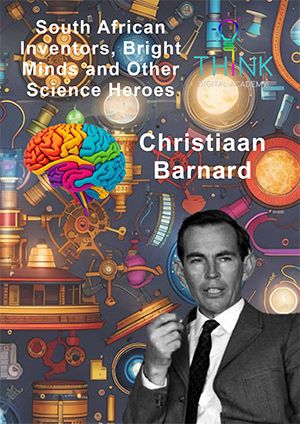
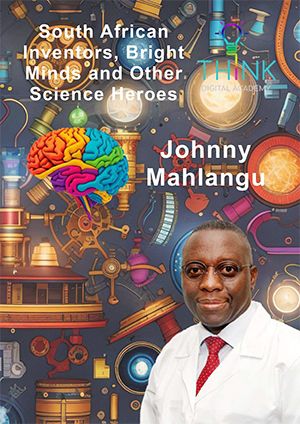
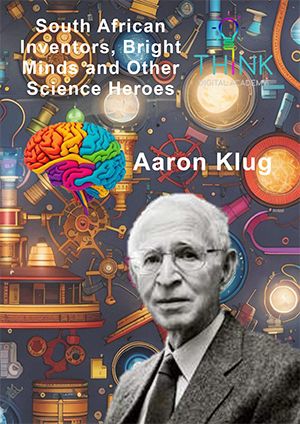
South Africa has produced some of the world's most remarkable scientific minds — pioneering surgeons, Nobel Prize winners and researchers whose work changed lives far beyond our borders. In South African Inventors, Bright Minds and Other Science Heroes, young readers meet the real people behind the breakthroughs, from the surgeon who performed the first human heart transplant to a Nobel Prize-winning chemist.
We curate this biography series because children read best when they can see themselves in the story. These heroes' journeys began much like our learners' own — with questions, persistence and a love of discovery — and reading about them builds pride along with real information-reading skills.
Each biography is written in clear, engaging language, and every story is available as a free children's stories PDF in English and Afrikaans. Read online together, then download to keep, print or revisit offline. It is reading for pleasure with a purpose: science heroes are made, not born.
Why Biography and Science Stories Improve Reading
Biographies are a gentle bridge between storybooks and the information texts learners meet in Natural Sciences and beyond. Following one life in sequence, children practise chronology, cause and effect, and finding main ideas — core non-fiction comprehension skills. Science biographies add rich subject vocabulary (transplant, molecule, research) met in meaningful context, which is how new words truly stick. Readers also infer character from actions: what does it tell us that a doctor kept trying after setbacks? And reluctant readers often engage more readily with true stories, making biography a great route to reading stamina.
Recommended Age
Best for readers aged roughly 8 to 12 — Grades 3–7 on the South African CAPS curriculum, or Stages 4–8 on the British International curriculum. Younger children will enjoy them as read-alouds, while older primary learners can read independently.
Curriculum Alignment
On the South African CAPS curriculum, this series supports Home Language and First Additional Language reading in Grades 4–7, particularly reading information texts, summarising and reading for enjoyment; the Afrikaans PDFs double as Afrikaans First Additional Language practice. There are cross-curricular links to Natural Sciences and Technology, Social Sciences and Life Orientation, and the celebration of South African achievement connects to the curriculum's emphasis on national identity and heritage. On the British International curriculum, it supports Upper Primary and Lower Secondary English objectives for non-fiction comprehension and retrieving information.
Reading Skills Developed
- Non-fiction comprehension: finding main ideas and key details in true, information-rich texts.
- Subject vocabulary: scientific and medical terms met naturally in context.
- Sequencing: following a life story strengthens chronology and cause and effect.
- Inference: deducing traits like determination from each scientist's choices.
- Summarising: short biographies are ideal for retelling and note-making practice.
- Bilingual fluency: matched English and Afrikaans versions build confidence in both languages.