
Introduction
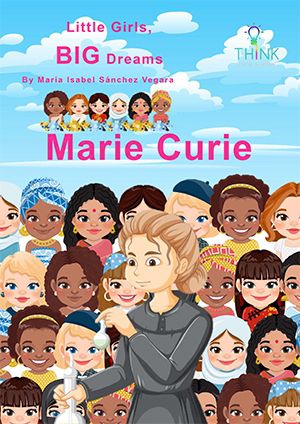
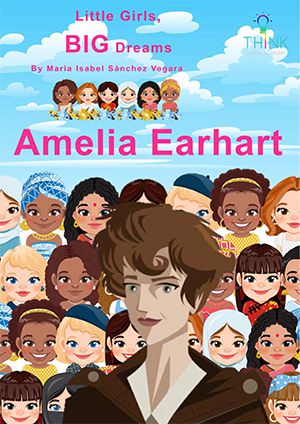
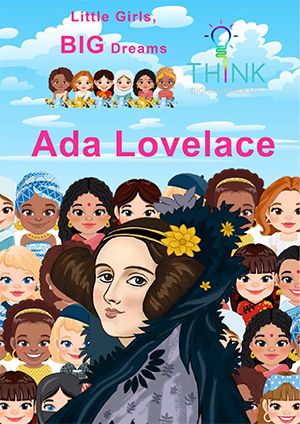
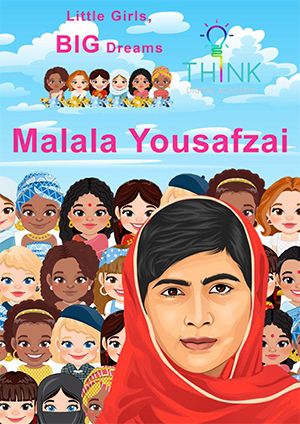
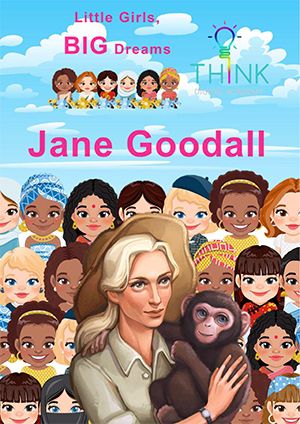
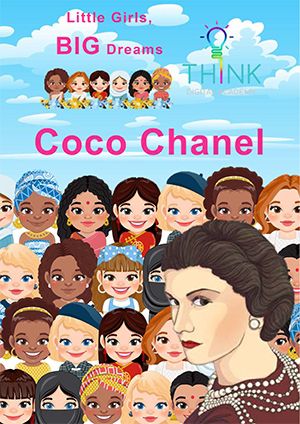
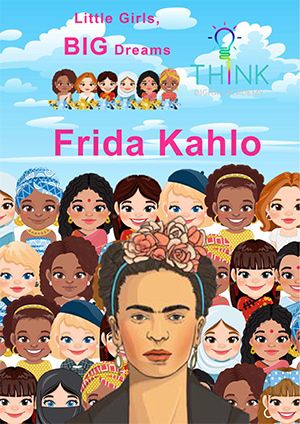
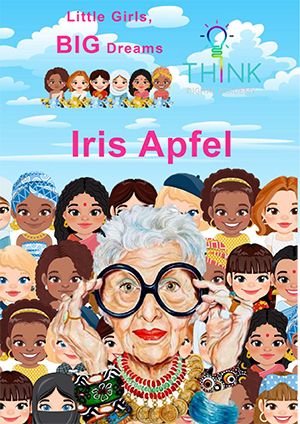
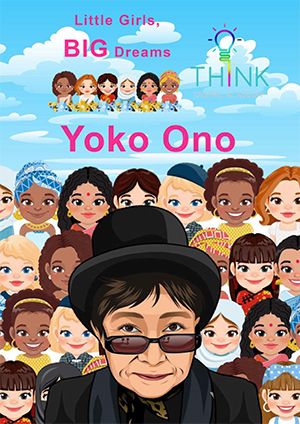
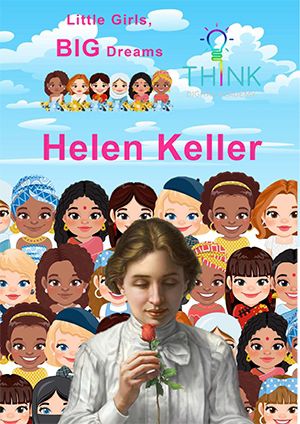
Every world-changing woman was once a little girl with a big dream. Little Girls, Big Dreams — curated in honour of Women's Month — introduces young readers to ten extraordinary women whose courage, creativity and determination reshaped the world: scientists and aviators, artists and activists.
Told as warm, accessible stories rather than dry fact files, each biography begins in childhood, where every reader can relate, and follows its heroine as she overcomes obstacles on the way to remarkable achievement. Readers fly with Amelia Earhart, discover with Marie Curie and stand brave with Malala Yousafzai — learning that dreams are worth pursuing and setbacks can be overcome.
The collection is perfect for primary school readers, Women's Day themes and any child who loves true stories. Every biography is available as a free children's stories PDF in English and Afrikaans — ideal for bedtime reading for pleasure, classroom projects or bilingual practice. The next big dreamer might be curled up with a book in your house right now.
Why Biography Stories Improve Reading
Biographies give children the best of both reading worlds: the narrative pull of a story and the skills-building of an information text. Following a real life from childhood to achievement is natural practice in sequencing, chronology and cause and effect, while true stories teach children to retrieve facts and summarise. Each woman's field brings its own vocabulary — radioactivity, aviation, activism — met in meaningful context. Inference grows too, as readers deduce courage and persistence from actions rather than labels. And biography uniquely builds empathy and aspiration: children step into ten different lives and start imagining bigger futures for themselves.
Recommended Age
Best for readers aged roughly 6 to 11 — Grades 1–6 on the South African CAPS curriculum, or Stages 2–7 on the British International curriculum. Younger children will love the stories read aloud, while independent readers can use them for early research and project work.
Curriculum Alignment
On the South African CAPS curriculum, this series supports shared reading in the early Grades and Home Language and First Additional Language reading in Grades 4–6 — personal accounts, information texts, summarising and reading for enjoyment — with the Afrikaans PDFs providing motivating practice. Cross-curricular links include Life Skills and Life Orientation (goal-setting and resilience), Social Sciences and Natural Sciences, and the series ties beautifully into South Africa's Women's Month in August. On the British International curriculum, it aligns with Lower and Upper Primary English objectives for non-fiction and biography, complementing history topics on significant individuals.
Reading Skills Developed
- Reading biography and non-fiction: learning how true-life stories are structured.
- Sequencing and chronology: following each life builds understanding of cause and effect.
- Fact retrieval and summarising: short, rich biographies are ideal for retelling.
- Cross-domain vocabulary: words from science, art, aviation and activism.
- Inference about character: deducing bravery and determination from actions.
- Aspiration: inspiring true stories motivate children to read more — and dream bigger.