
Introduction
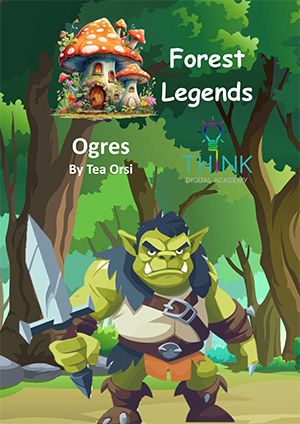
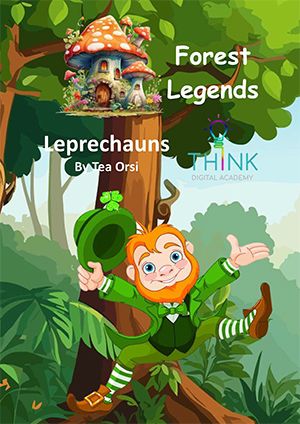
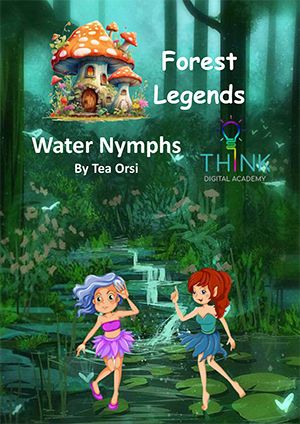
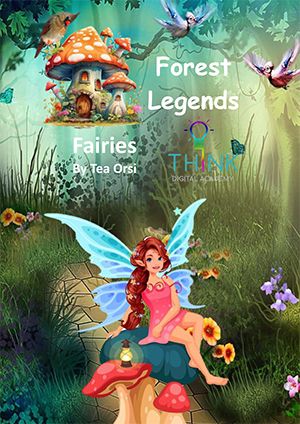
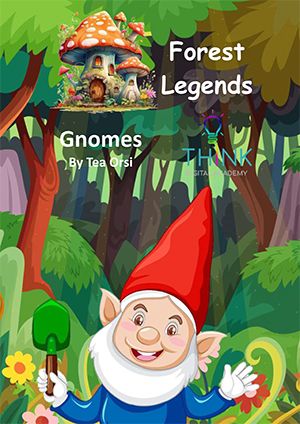
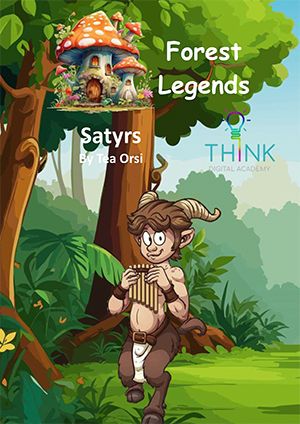
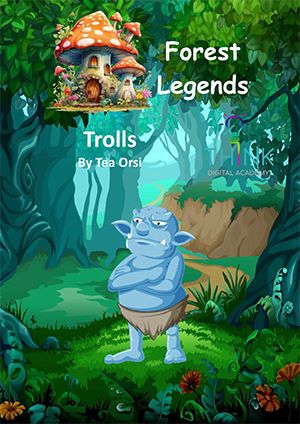
Deep in the forests of the world's imagination live trolls and fairies, gnomes and water nymphs, satyrs, leprechauns and ogres — and every culture has its own stories about them. Forest Legends gathers these fantastical folktales from across the globe and brings them to young readers in one enchanting Reading Room series.
Each folktale opens with a short description of the magical creature at its heart: before children meet a troll in a story, they learn what trolls are and where their legends come from. It is a lovely blend of storytelling and gentle non-fiction that feeds curiosity while building reading confidence.
Folktales carry the rhythms of oral storytelling — repetition, suspense, clever twists — that make them a joy to read aloud and easy for developing readers to follow. Every story is available as a free children's stories PDF in English and Afrikaans: download, print or read on screen. However your child reads, this is reading for pleasure at its most magical.
Why Folktale and Fantasy Stories Improve Reading
Folktales are superb training texts for young readers. Their predictable structures — a hero, a challenge, a clever resolution — help children internalise how stories work, strengthening comprehension of every text they meet afterwards. Magical creatures invite rich inference: is the troll to be feared or fooled? Because the tales come from many cultures, children compare versions and spot universal themes, an early form of critical literacy. The creature descriptions add non-fiction practice within a fictional frame, and vivid vocabulary — nymph, legend, enchanted — completes a little literacy workout wrapped in wonder.
Recommended Age
Forest Legends suits readers aged roughly 7 to 11 — Grades 2–6 on the South African CAPS curriculum, or Stages 3–7 on the British International curriculum. Younger children will love the tales as read-alouds, while confident readers can enjoy them independently.
Curriculum Alignment
On the South African CAPS curriculum, this series supports shared reading in the early Grades and Home Language and First Additional Language reading in Grades 4–6, where folktales and legends are a recommended text type; the matched Afrikaans PDFs provide meaningful Afrikaans reading practice. Cross-curricular links reach into Social Sciences, as each legend is rooted in the geography and culture of a different country. On the British International curriculum, the series aligns with Lower and Upper Primary English objectives on traditional tales, myths and legends, retelling, and spotting recurring themes.
Reading Skills Developed
- Story structure: familiar folktale shapes help readers predict, follow and retell with confidence.
- Inference: judging characters' motives — is the creature friend, foe or trickster?
- Vocabulary growth: rich, imaginative language rarely met in everyday texts.
- Moving between text types: creature descriptions plus tales mix information and narrative reading.
- Cultural comparison: legends from many countries build the habit of comparing texts.
- Fluency: the oral-storytelling rhythm is ideal for expressive reading aloud.