
Introduction
How do children in other countries say hello? What do their homes look like, and what games fill their afternoons? Children From Around the World answers these delightful questions in a warm, curiosity-filled Reading Room series that takes young readers on a journey across the globe.
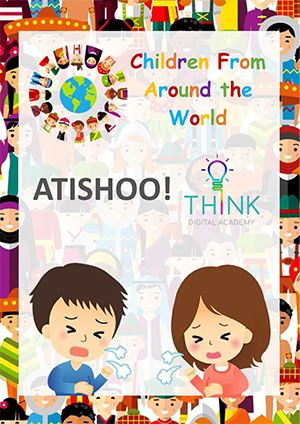
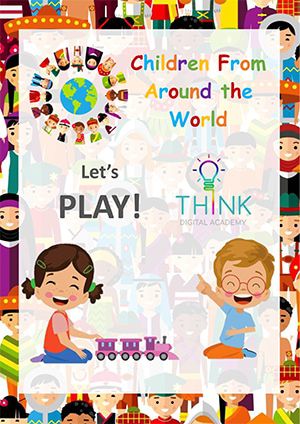
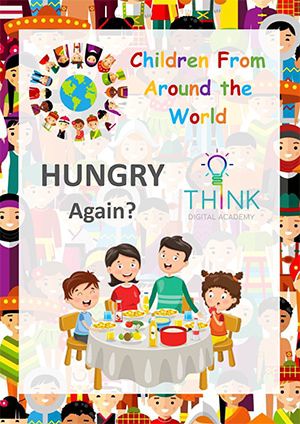
Each short book explores one slice of everyday life — greetings, homes, food, music, play and even sneezes! — comparing how children from different cultures experience it. Along the way readers make a joyful discovery: children everywhere are wonderfully different and, at the same time, wonderfully alike. The collection is also a natural companion to South Africa's Heritage Day on 24 September.
Written in simple, friendly language, these books are ideal first information texts for primary school readers. Every title is available as a free children's stories PDF in English and Afrikaans — wonderful for reading for pleasure, Afrikaans practice or classroom theme weeks on culture and community. Pack your imaginary suitcase and join us, one page at a time.
Why Culture-Themed Information Books Improve Reading
This series gives young readers gentle, engaging practice with information texts — the text type that dominates schooling from Grade 4 onward. Because each book is organised around one familiar topic, children learn how non-fiction works: topics, examples, comparisons and captions rather than plots and characters. Comparing cultures is a natural comprehension workout — readers constantly connect new information to their own lives, and text-to-self connection is one of the strongest drivers of understanding. Best of all, reading about real children worldwide builds empathy and global awareness, showing learners that difference is interesting rather than strange.
Recommended Age
Best for readers aged roughly 5 to 9 — Grades R–4 on the South African CAPS curriculum, or Stages R–5 on the British International curriculum. Emerging readers can share the books as read-alouds, while early primary readers will manage the simple text independently.
Curriculum Alignment
On the South African CAPS curriculum, this series supports Home Language and First Additional Language reading in Grades R–4 — shared reading, simple information texts and reading for enjoyment — with the Afrikaans PDFs offering accessible practice on familiar topics. Cross-curricular links are strong with Life Skills (families, homes, food and communities) and Social Sciences (people and places), and the heritage theme, including Heritage Day on 24 September, connects to the curriculum's emphasis on identity and diversity. On the British International curriculum, it supports Lower Primary English objectives for non-fiction and complements geography topics comparing life in different countries.
Reading Skills Developed
- Information-text reading: learning how non-fiction presents topics, examples and facts.
- Compare and contrast: spotting similarities and differences between cultures.
- Text-to-self connection: linking other children's lives to their own deepens understanding.
- Vocabulary growth: new words for foods, homes, games and greetings.
- Visual literacy: reading pictures alongside text to extract information.
- Empathy and global awareness: meeting children from many cultures nurtures open minds.